
Smart home technology has matured into something genuinely practical rather than a novelty. The right combination of devices saves real time, reduces energy costs and adds meaningful security — without requiring you to become a smart home expert first.
What to look for in smart home devices
Ecosystem compatibility — before buying anything, decide whether you're building around Amazon Alexa, Google Home or Apple HomeKit. Most modern devices support all three, but checking compatibility upfront avoids frustrating workarounds later.
Matter standard — look for the Matter certification logo on new devices. Matter is the unified smart home standard that ensures a device works across Alexa, Google Home and Apple HomeKit interchangeably, protecting your purchase from future ecosystem changes.
Hub requirement — some devices, particularly Zigbee-based bulbs and sensors, need a hub to function. Many newer devices connect directly via WiFi or Bluetooth without one. Check whether a hub is included, sold separately, or unnecessary for the specific device.
Local vs cloud storage — for security cameras specifically, local storage (SD card or home hub) avoids the monthly subscription fees that cloud-only systems require for full functionality. This is one of the biggest hidden costs in smart home security.
Voice assistant integration — verify a device works with your preferred voice assistant before buying. Alexa has the broadest device compatibility of any platform currently available.
Setup complexity — most modern smart plugs and bulbs set up in under 5 minutes via a smartphone app. Smart locks and thermostats typically require more involved installation, sometimes including basic wiring.
Where to start building a smart home
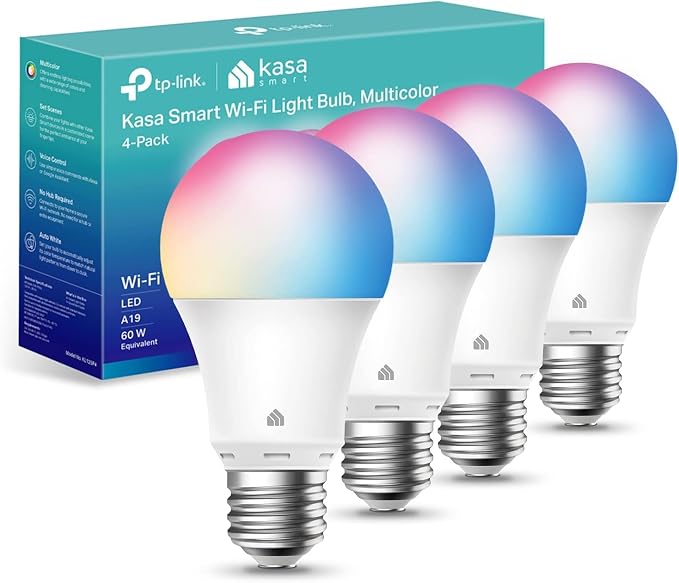
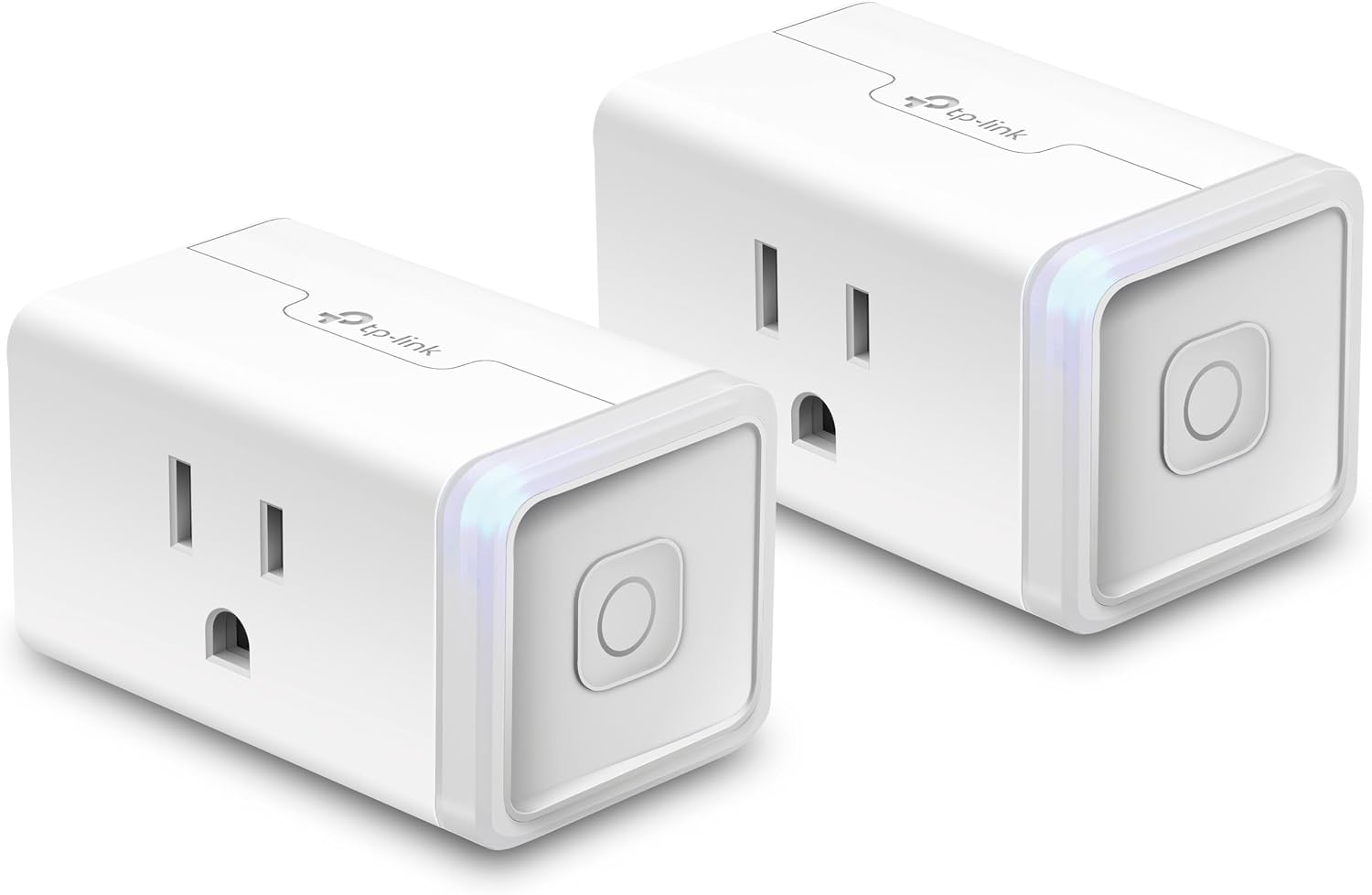
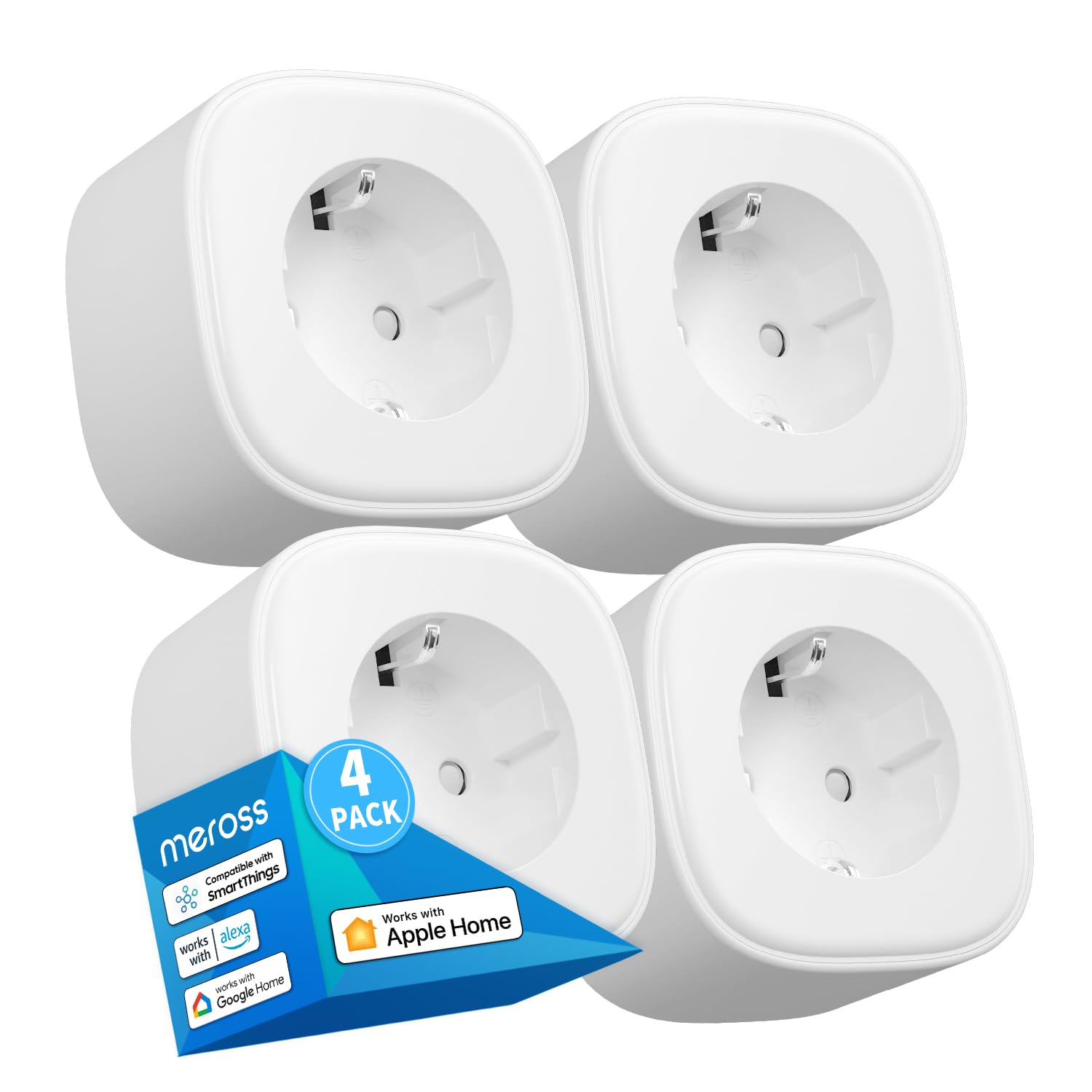
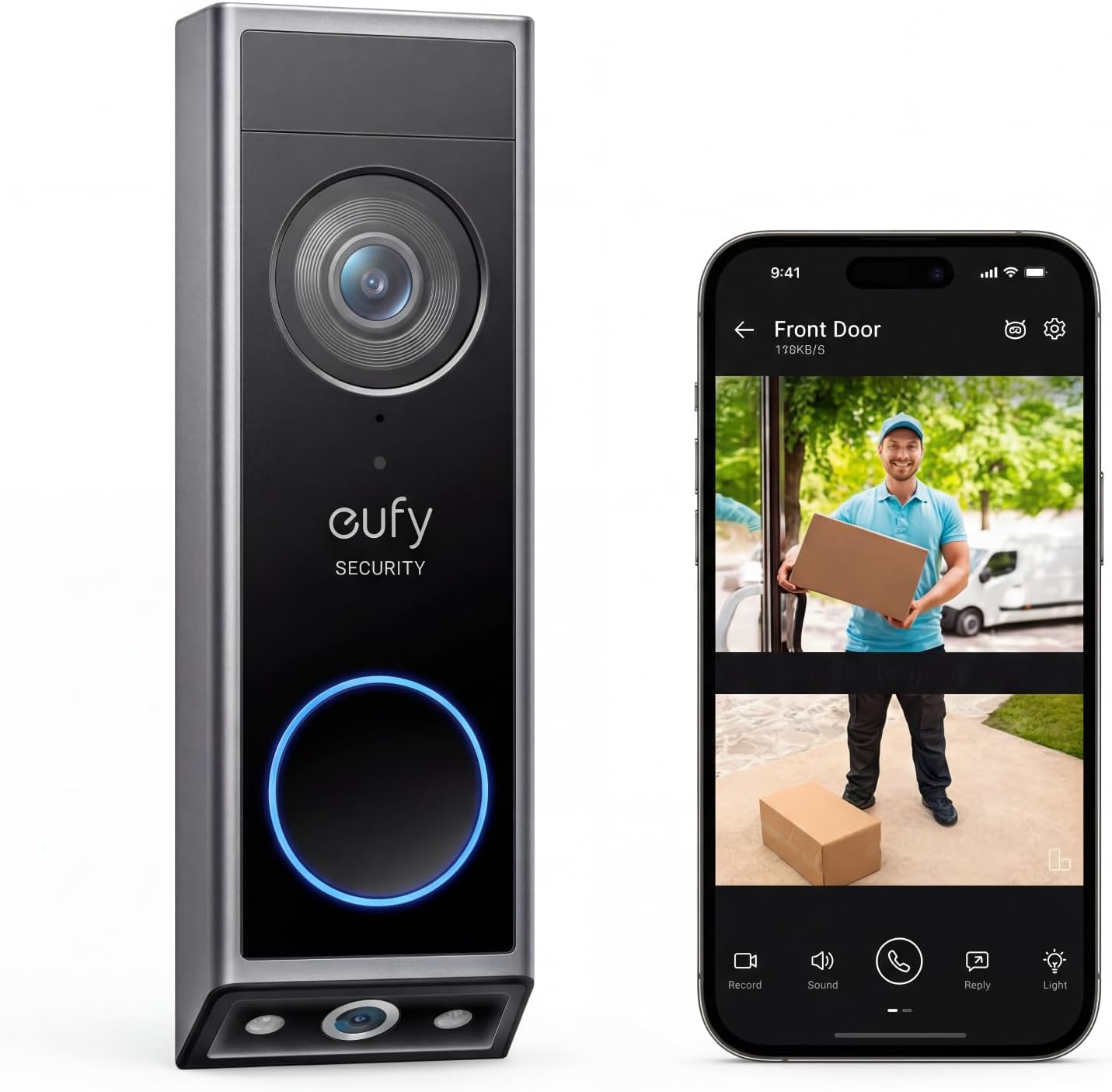
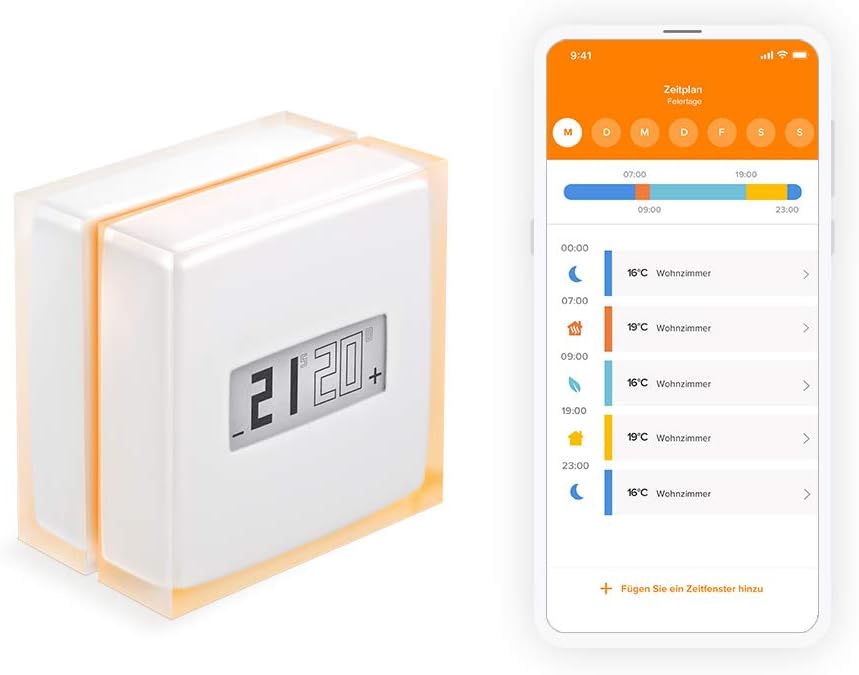
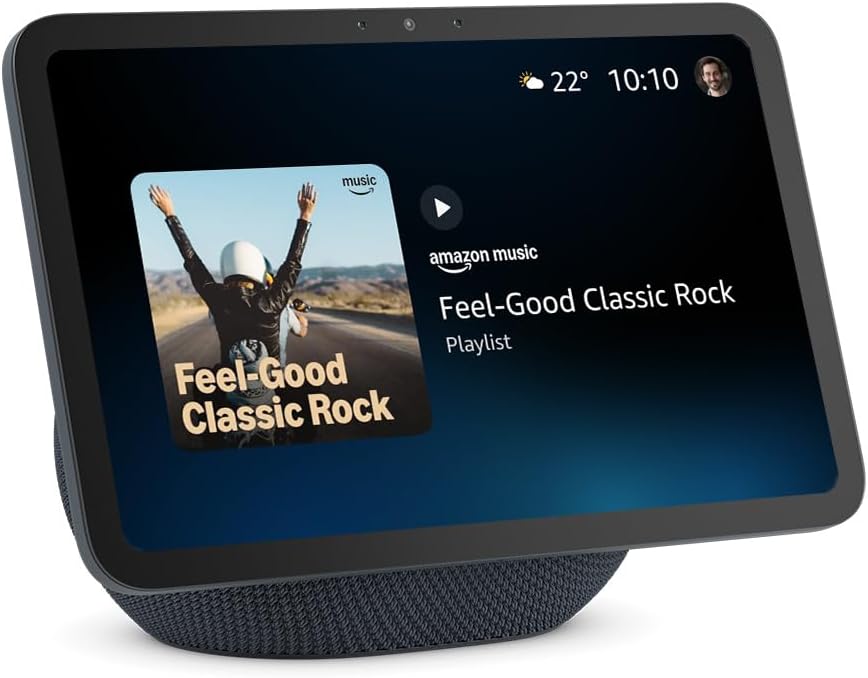
Smart plugs and bulbs are the easiest, cheapest entry point — instant results with no hub or technical skill required. Security cameras and doorbells add genuine peace of mind quickly. Smart locks and thermostats deliver the biggest long-term convenience and savings but require slightly more setup investment. A central hub like a smart display ties everything together with voice control once you have 3-4 devices running.
Our Top Pick
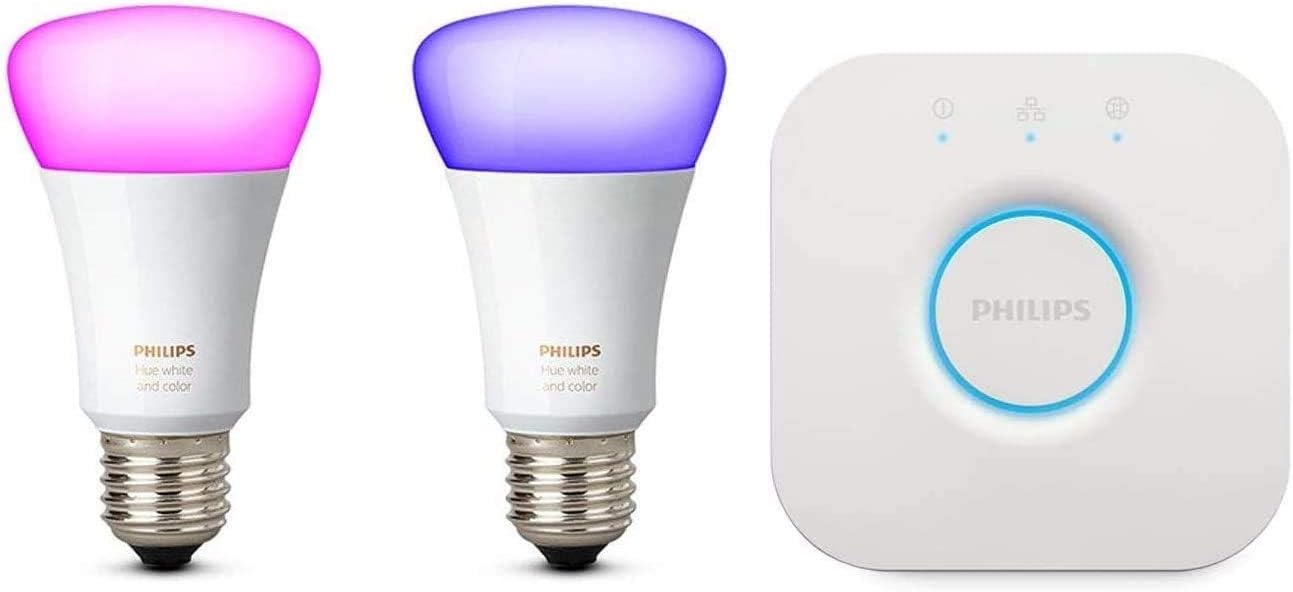
Philips Hue White and Color Ambiance Starter Kit
The Philips Hue White and Color Ambiance Starter Kit is the gold standard entry point into smart lighting in this roundup. The kit includes the Hue Br...
Industry-leading smart lighting ecosystem
16 million colors plus adjustable white temperature
Hue Bridge unlocks advanced automation and scenes
~$147.97/€129.96
Check price on Amazon ~$147.97/€129.96