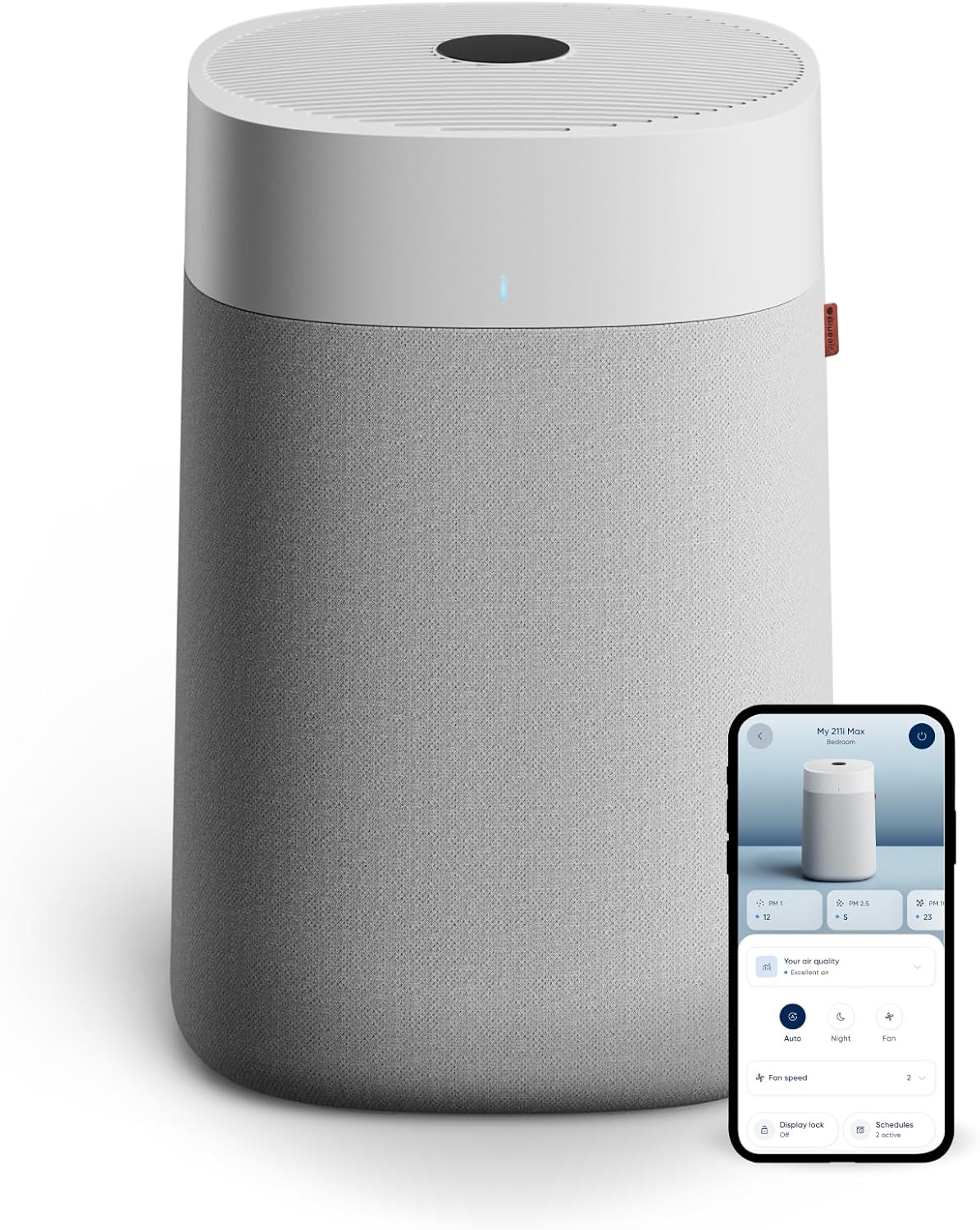
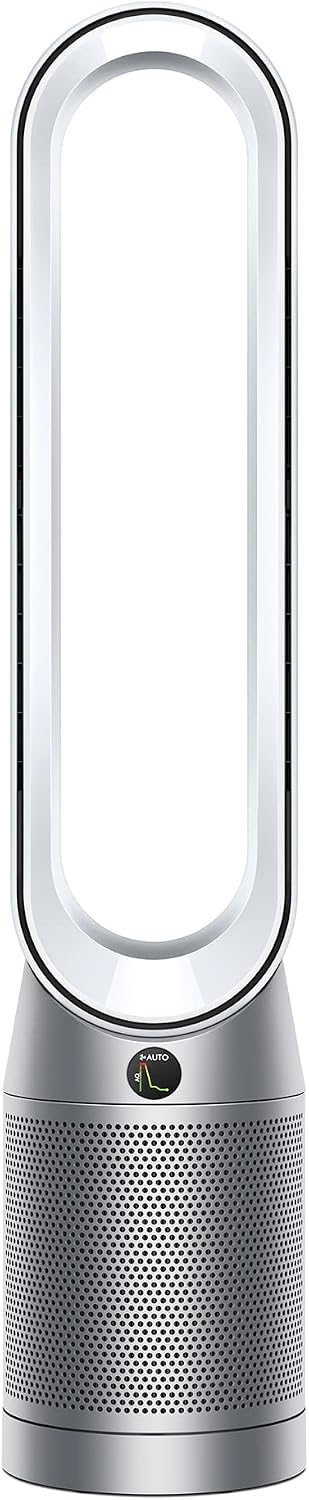
Air purifiers have become an essential home appliance for allergy sufferers, pet owners and anyone concerned about indoor air quality. The best models remove dust, pollen, pet dander, smoke, mold spores and VOCs from the air continuously and silently.
What to look for in an air purifier
CADR rating — Clean Air Delivery Rate measures how quickly a purifier cleans a room, expressed in cubic meters per hour (m³/h). Higher CADR means faster cleaning. For a 20m² bedroom, look for a minimum CADR of 120m³/h. For a 40m² living room, aim for 240m³/h or above.
Room coverage — manufacturers often overstate room coverage. Use the CADR rating as the primary reference rather than the claimed square footage. A purifier rated for 35m² will struggle in an open-plan 50m² space.
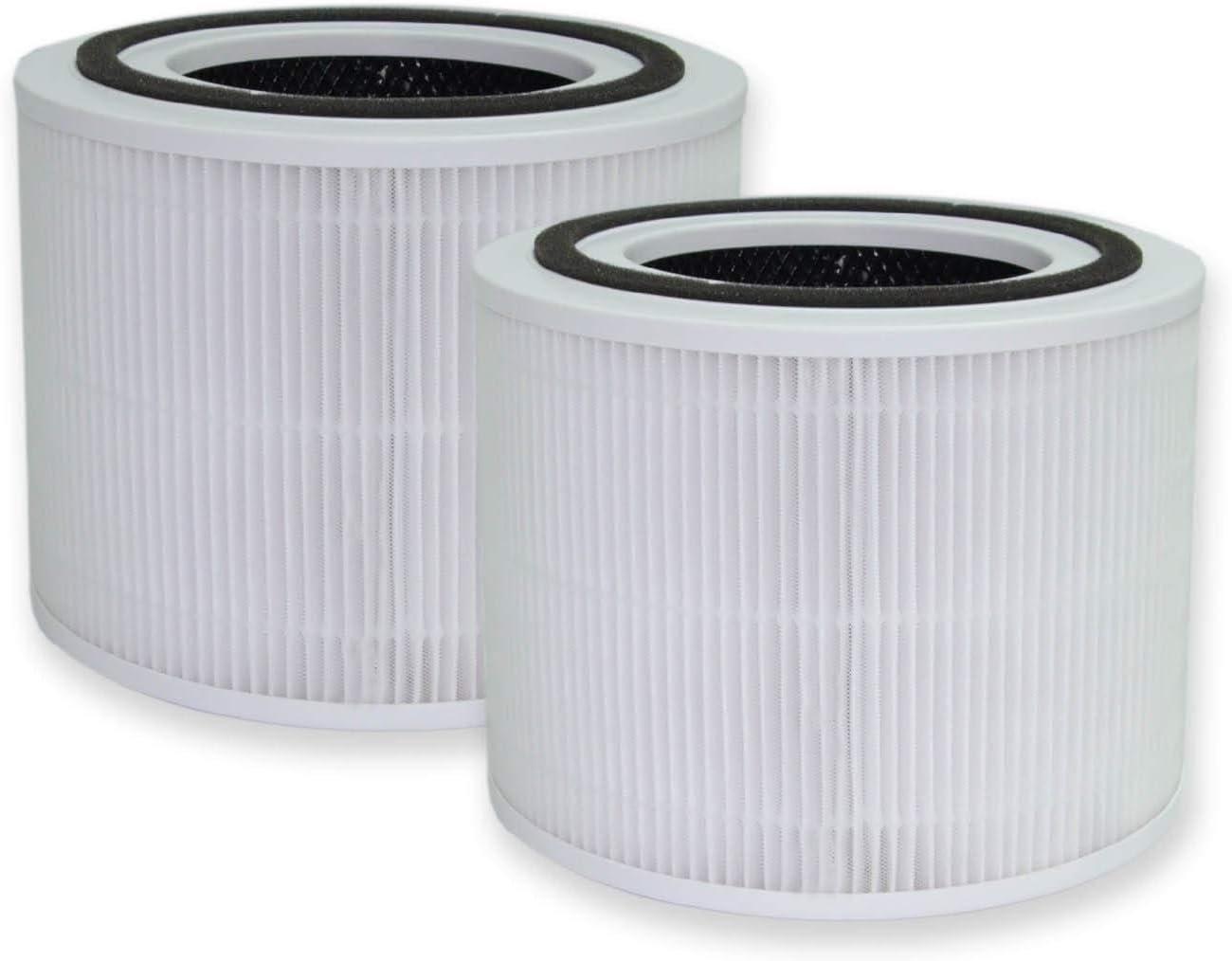
Filtration stages — the gold standard is three-stage filtration: pre-filter for large particles, True HEPA H13 for fine particles down to 0.3 microns, and activated carbon for odors, gases and VOCs. Two-stage models without carbon are less effective against cooking smells, pet odors and smoke.
Noise level — measured in decibels (dB). Below 30dB is whisper-quiet and suitable for bedrooms during sleep. 40-50dB is comfortable for living rooms. Above 55dB becomes disruptive for long-term background operation.
Energy consumption — air purifiers run continuously, so energy efficiency matters. Look for models under 20W on medium speed. Energy Star certification guarantees efficient operation.
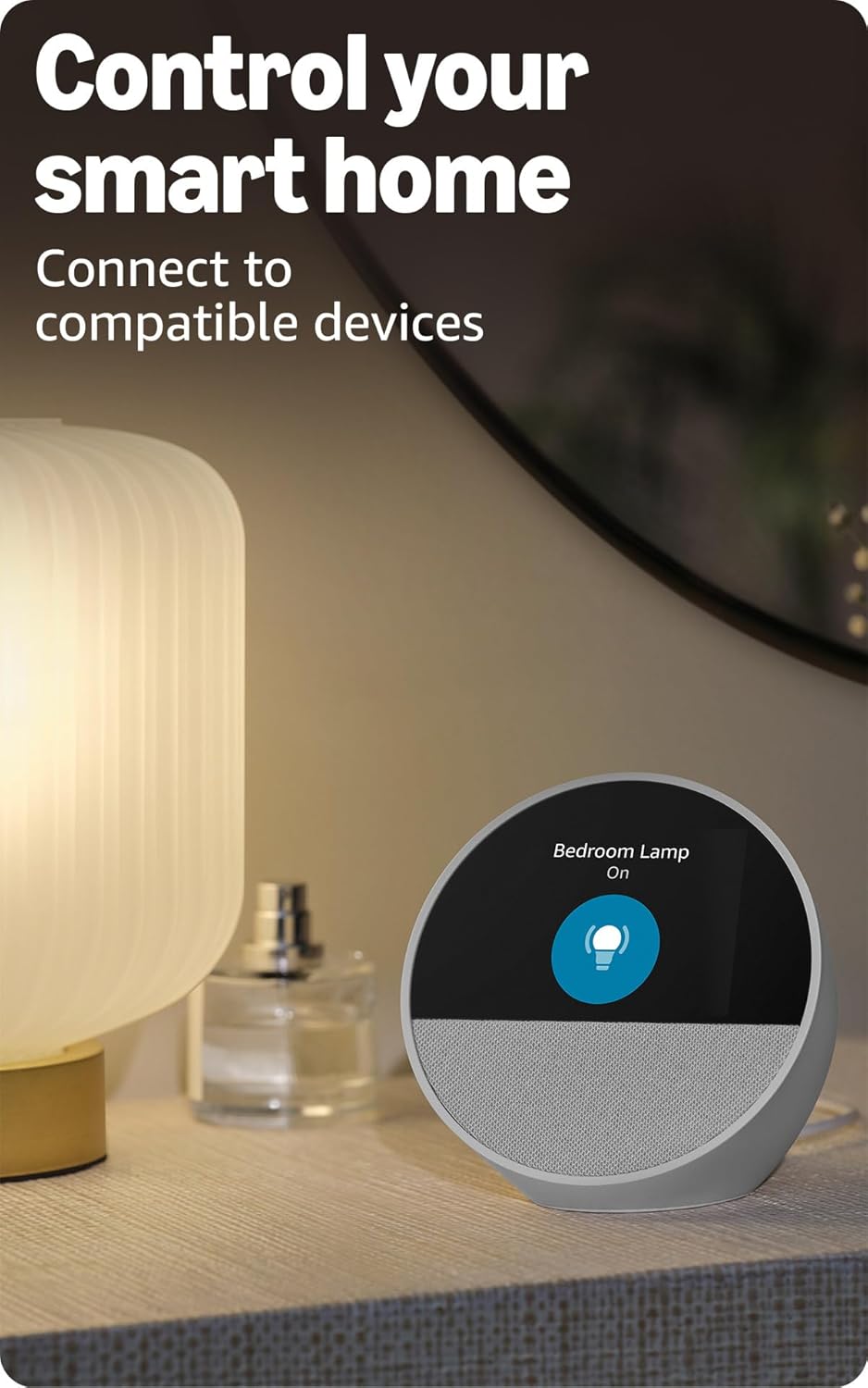
Smart features — WiFi connectivity, air quality sensors, auto mode and app control add genuine convenience. Auto mode adjusts fan speed based on real-time air quality readings, optimising performance without manual adjustment.
Filter replacement cost — the ongoing cost of replacement filters adds significantly to the total cost of ownership. Factor in annual filter replacement costs when comparing models.
Who needs an air purifier
Air purifiers are particularly beneficial for allergy and asthma sufferers, pet owners dealing with dander and hair, city dwellers exposed to outdoor pollution, anyone sharing a home with smokers, and households with newborns or young children who are more sensitive to airborne particles.
Our Top Pick
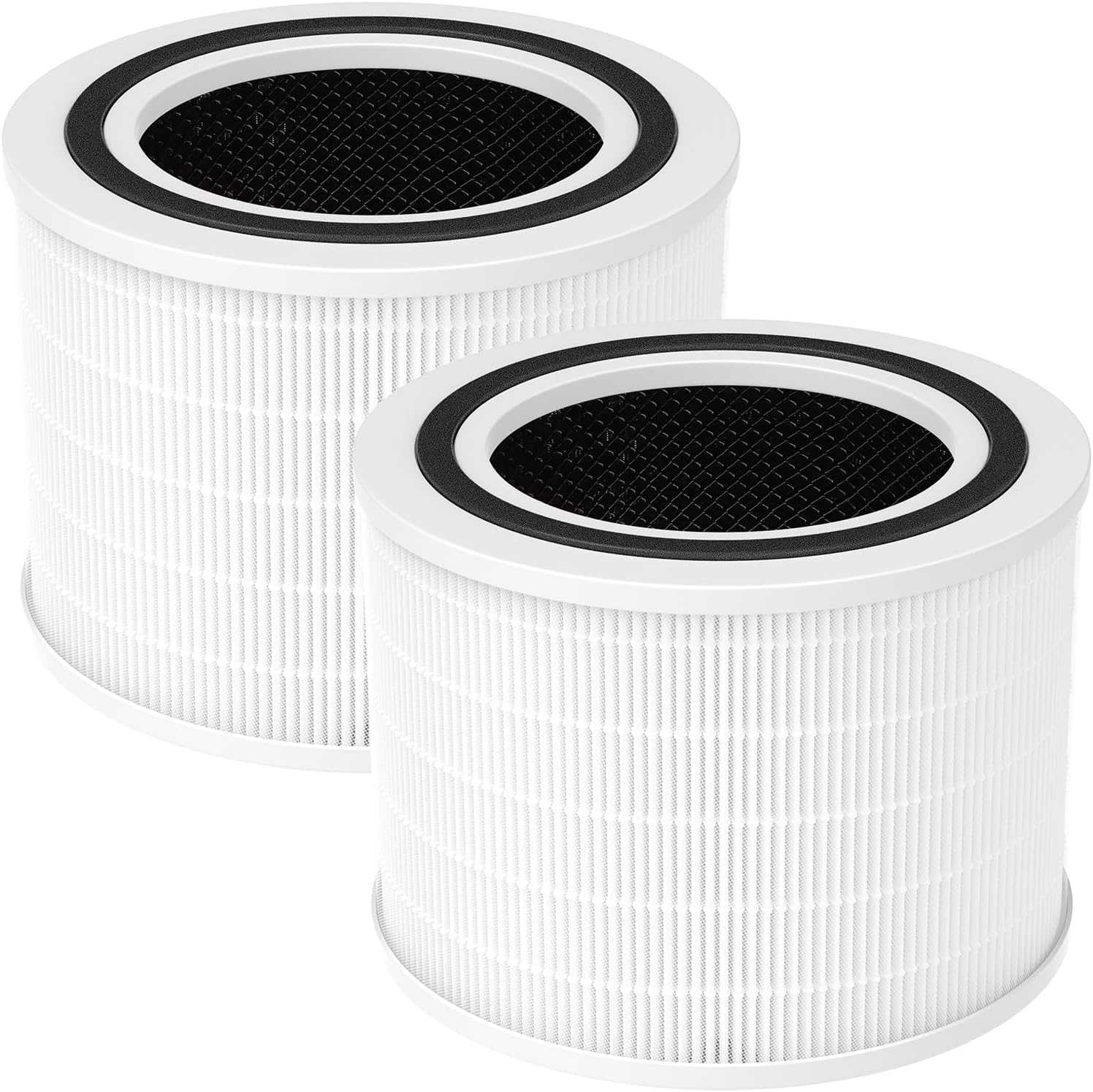
Levoit Core 200S Smart Air Purifier
The Levoit Core 200S is the best entry-level smart air purifier in this roundup. The three-stage filtration — pre-filter, H13 True HEPA and activate...
Three-stage H13 True HEPA filtration
App control via VeSync — Alexa and Google Home
24dB near-silent sleep mode
~$60.98
Check price on Amazon >$38.17