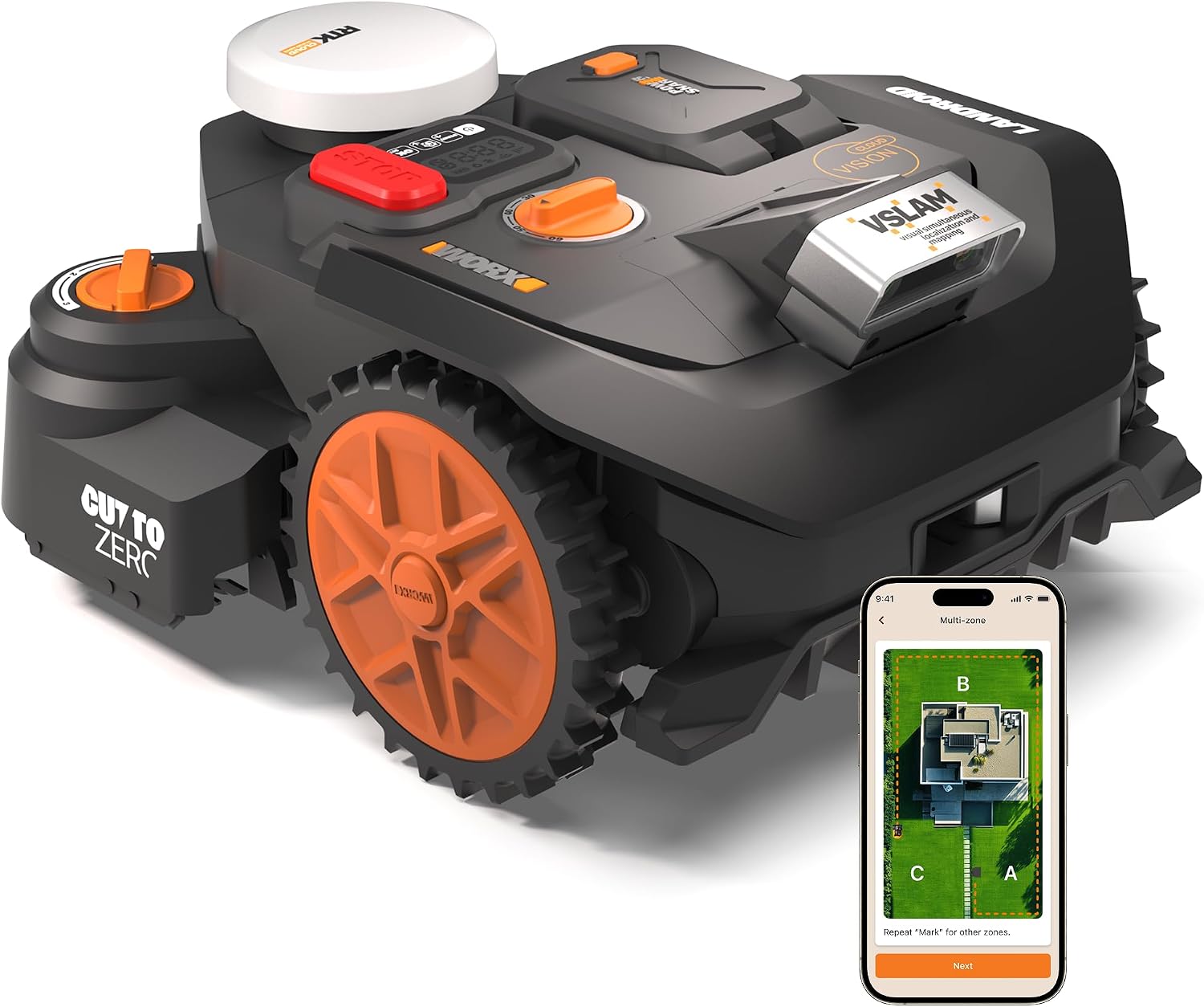
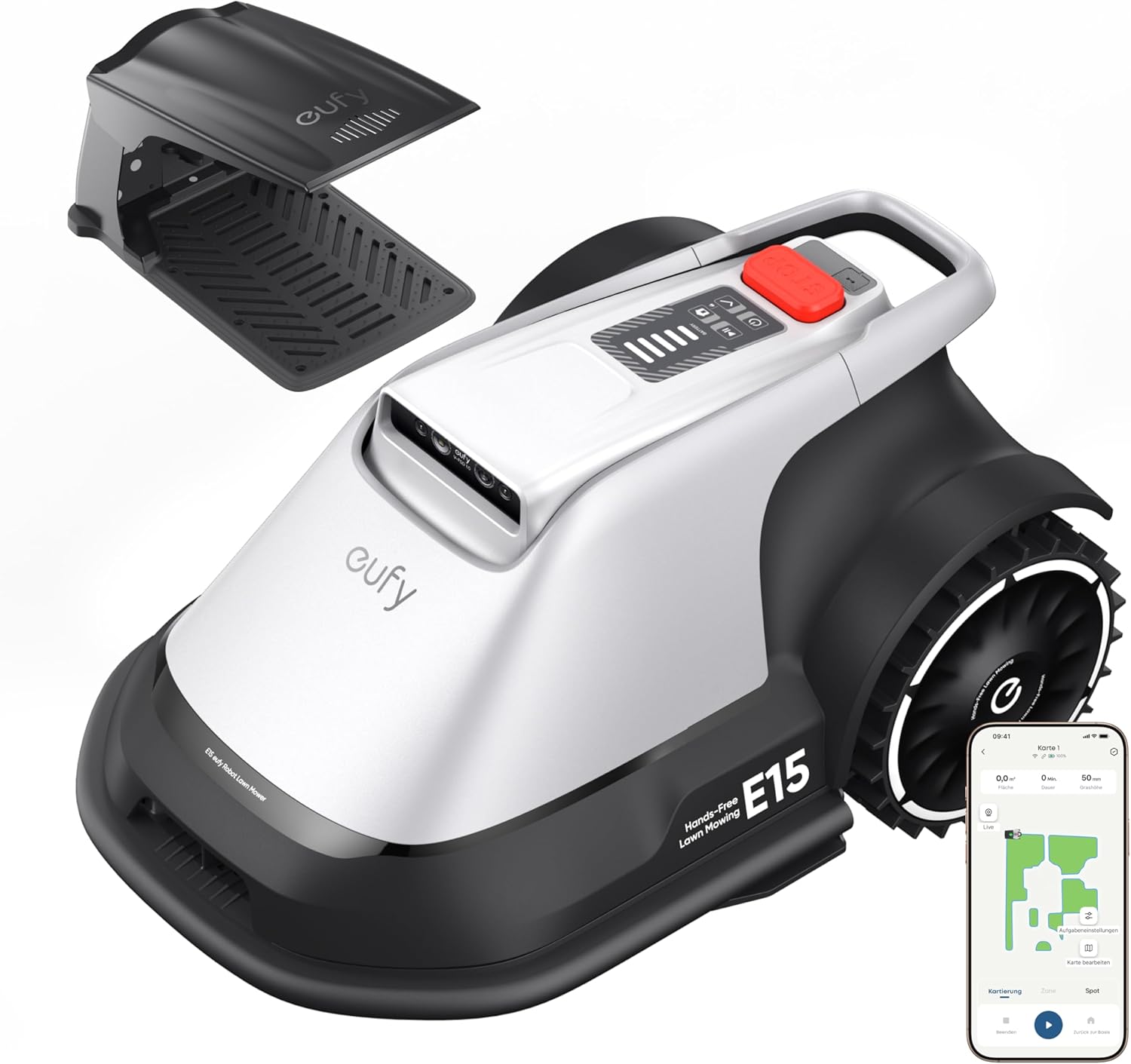
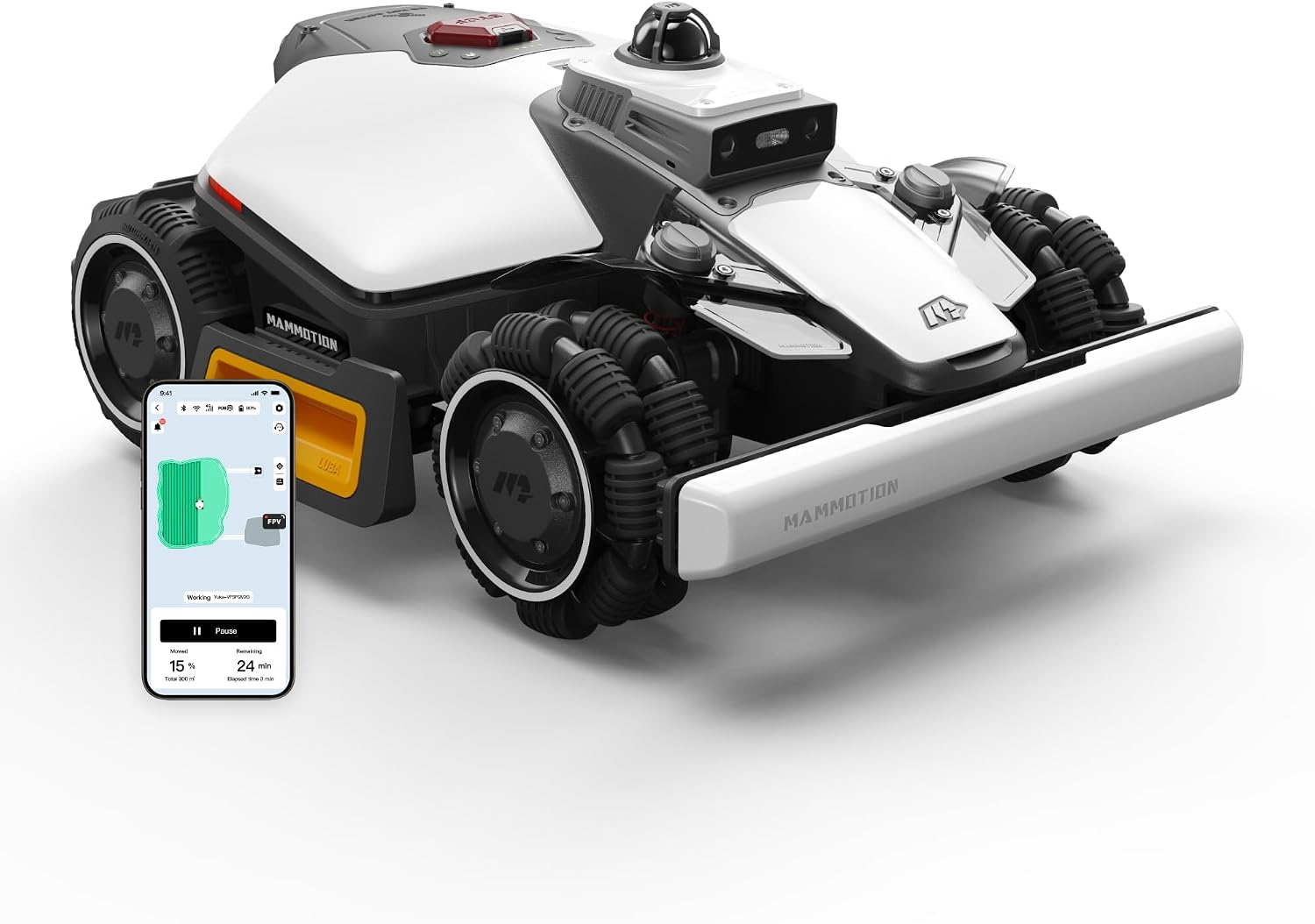
Robot lawn mowers have matured rapidly. The newest wire-free models set up in under 30 minutes via a smartphone app, navigate autonomously around obstacles, and return to their charging dock without any human involvement beyond initial setup.
What to look for in a robot lawn mower
Navigation technology — wire-free models use RTK GPS, AI vision, or a combination of both. RTK GPS delivers centimetre-level positioning outside using a fixed reference antenna. Vision-based systems use onboard cameras and AI to map the lawn and detect obstacles without needing a clear-sky antenna. Wire-based models remain the most affordable and reliable option for simple, well-defined lawns.
Coverage area — always choose a mower rated for at least 20% more than your actual lawn size. A mower rated for 500m² should comfortably handle a 400m² lawn with margin for complex shapes and obstacles.
Slope handling — standard 2WD models handle slopes up to 20-25% (roughly 11-14 degrees). For steeper gradients, AWD models handle 35-45% slopes (roughly 19-24 degrees). Measure your steepest grade with a smartphone clinometer app before buying.
Obstacle avoidance — AI vision and ultrasonic radar detect small objects like forgotten toys or garden tools, triggering an instant blade stop. This matters significantly more for households with children or pets using the garden.
Setup time — wire-free models with RTK or vision navigation typically set up in 20-45 minutes via a single walk around the perimeter with the companion app. Wire-based models require burying or laying boundary cable, which can take several hours depending on lawn complexity.
Rain sensors and waterproofing — look for at least IPX5 rating for direct hose cleaning. Rain sensors that automatically pause mowing protect both the soil and the mower's components.
Multi-zone management — useful for properties with separate front and back yards, or side strips that require different schedules or cutting heights.
Is a robot mower worth it
At a national average lawn service rate of around €45-65 per visit and 20-25 visits per season, most robot mowers pay for themselves within a single mowing season to 18 months — after which the ongoing cost is minimal compared to professional lawn care.
⭐ Our Top Pick
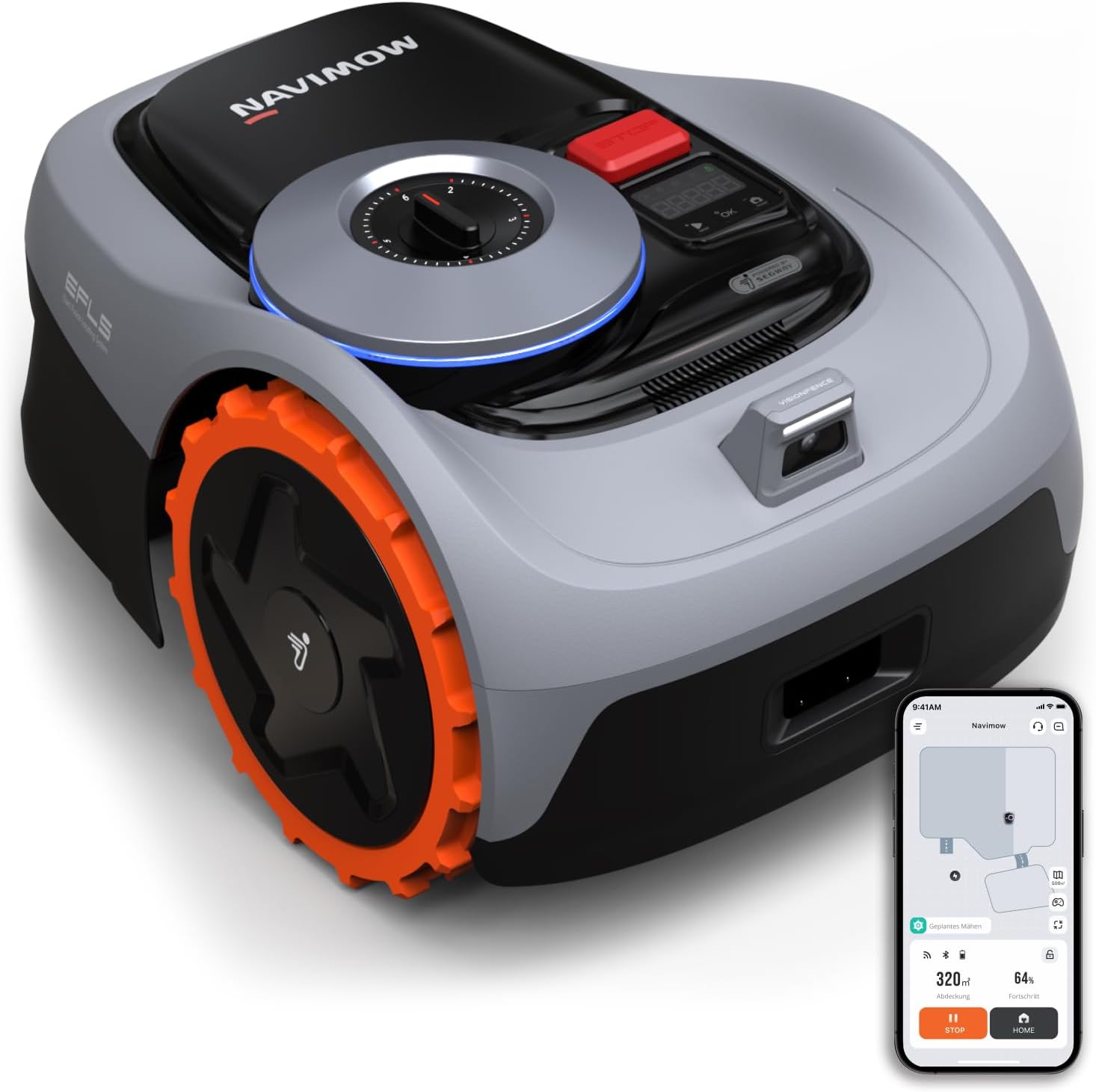
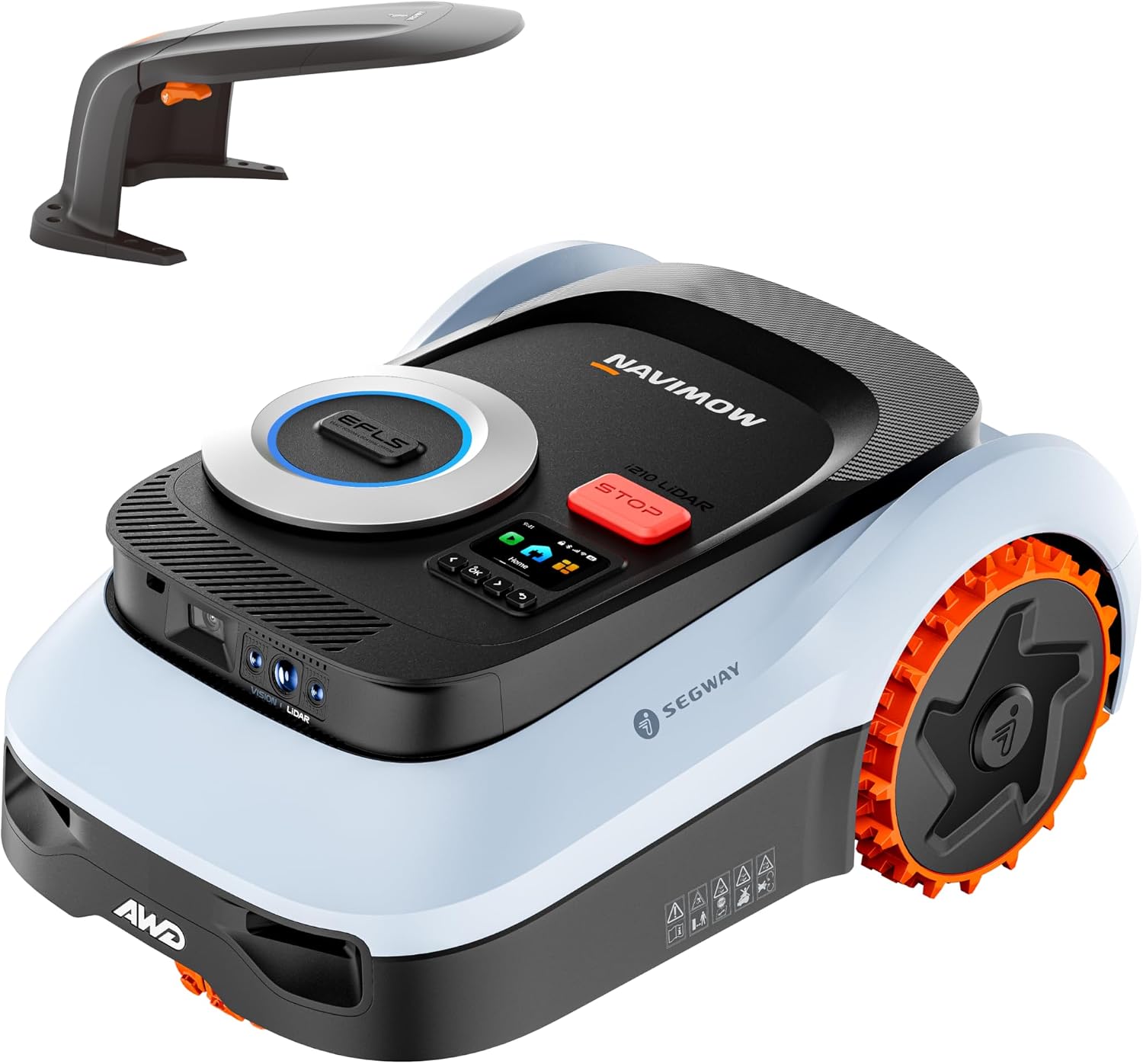
Segway Navimow i105E Wire-Free Robot Lawn Mower
The Segway Navimow i105E is the current bestseller in its category — over 4,000 units sold in recent weeks — and the Top Pick in this roundup. The...
Current #1 bestseller — 4,000+ units sold recently
RTK+Vision (EFLS 2.0) — centimetre-level precision
Recognises 150+ object types for obstacle avoidance
~€798.52
Check price on Amazon >€798.52