Red light therapy (also known as photobiomodulation or LLLT) uses specific wavelengths of light — typically between 630nm and 670nm — to stimulate hair follicles at the cellular level. Clinical studies have shown it can increase hair density and thickness in people experiencing androgenetic alopecia (pattern baldness).
How we evaluated these devices
We looked at four key factors when ranking red light therapy devices for hair growth:
Coverage area — how much of the scalp the device covers in a single session. Full-helmet designs score higher than partial panels.
Wavelength — devices must emit light in the clinically proven 630–670nm range to be effective. Anything outside this range is marketing, not science.
Session time — shorter sessions with adequate power output mean better compliance. Nobody sticks to a 30-minute daily routine.
Build quality and warranty — these are long-term investments. We only recommend devices with at least a 1-year warranty and a real return policy.
What to expect from red light therapy
Results are not immediate. Most users see noticeable improvements in hair density after 3 to 6 months of consistent use — typically 3 to 4 sessions per week. The key word is consistent. Red light therapy works best as a long-term habit, not a quick fix.
Who is it for
Red light therapy devices are best suited for people in the early to moderate stages of hair thinning. They are most effective for androgenetic alopecia (the most common type of hair loss in both men and women). They are less effective for hair loss caused by medical conditions, nutritional deficiencies, or stress — in those cases, addressing the root cause is more important.
Is it safe
Yes. Red light therapy at these wavelengths is non-invasive, painless, and has no known side effects when used as directed. It does not use UV light and does not cause heat damage to the scalp.
⭐ Our Top Pick
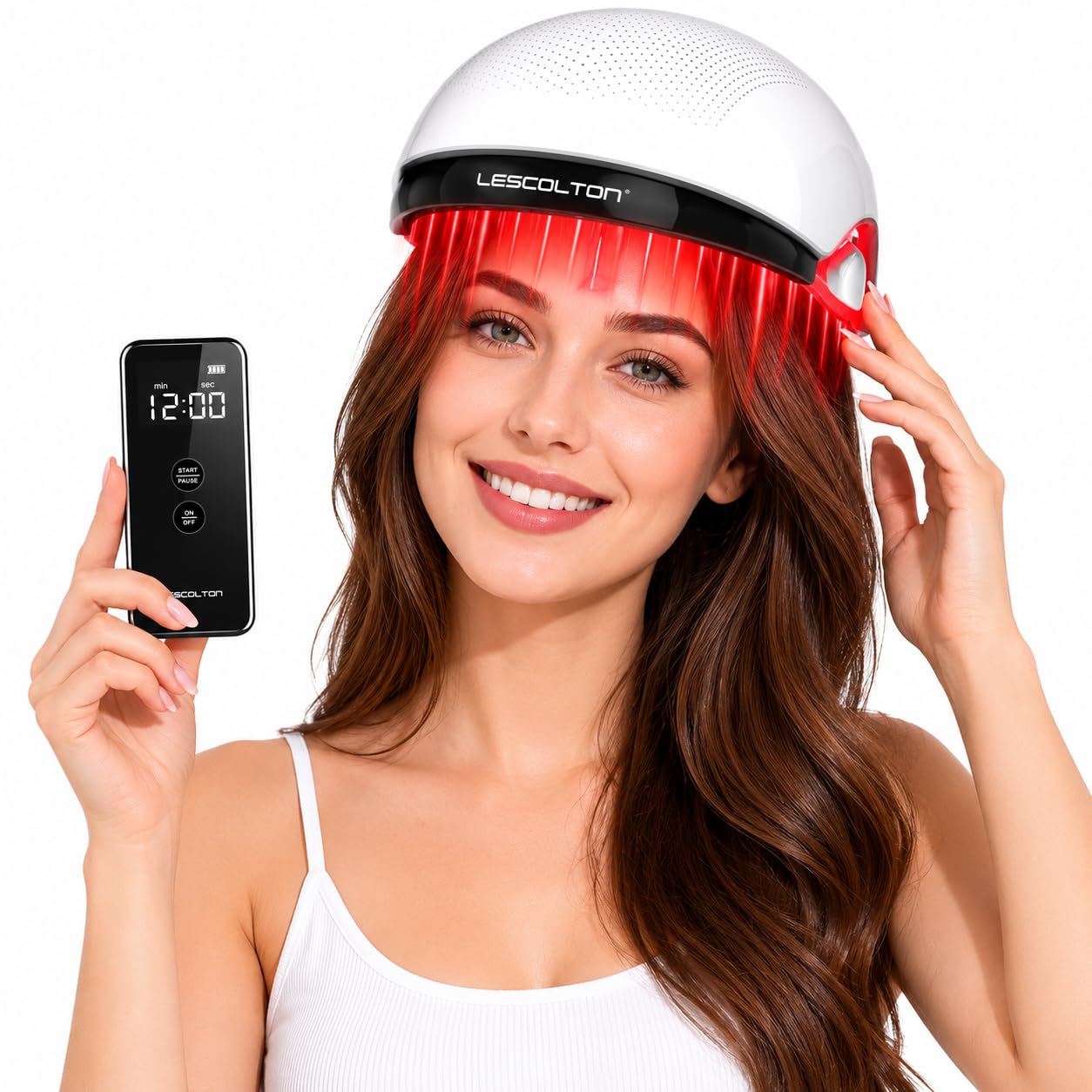
Red Light Therapy Hat For Hair Growth
The OmyGuard Red Light Therapy Hat uses 272 clinical-grade LEDs emitting at 630–670nm to stimulate hair follicles and promote regrowth. Designed for...
272 clinical-grade LEDs for full scalp coverage
Clinically proven 630-670nm wavelength
Hands-free design — use while working or relaxing
~$510
Check price on OmyGuard


