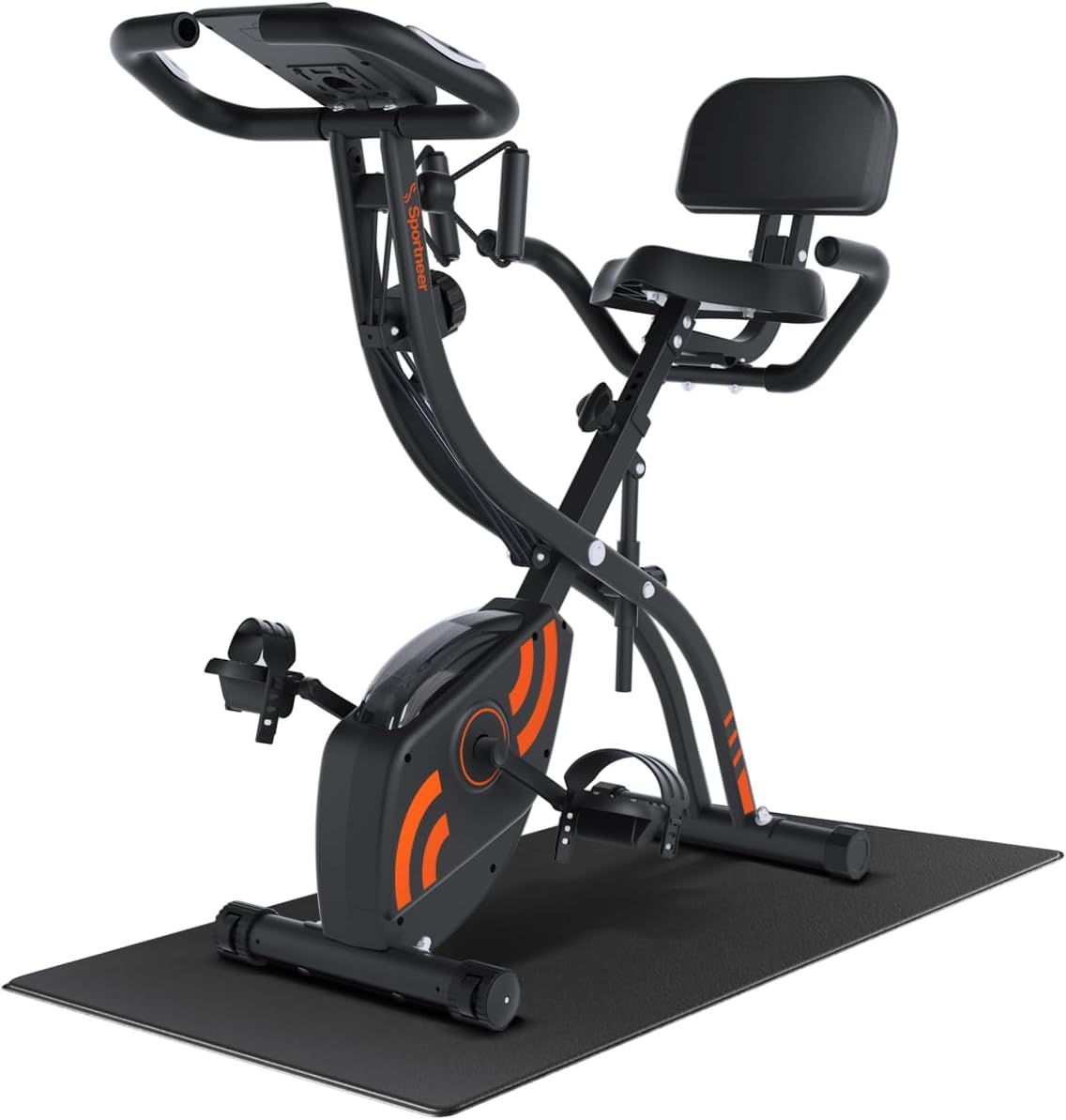
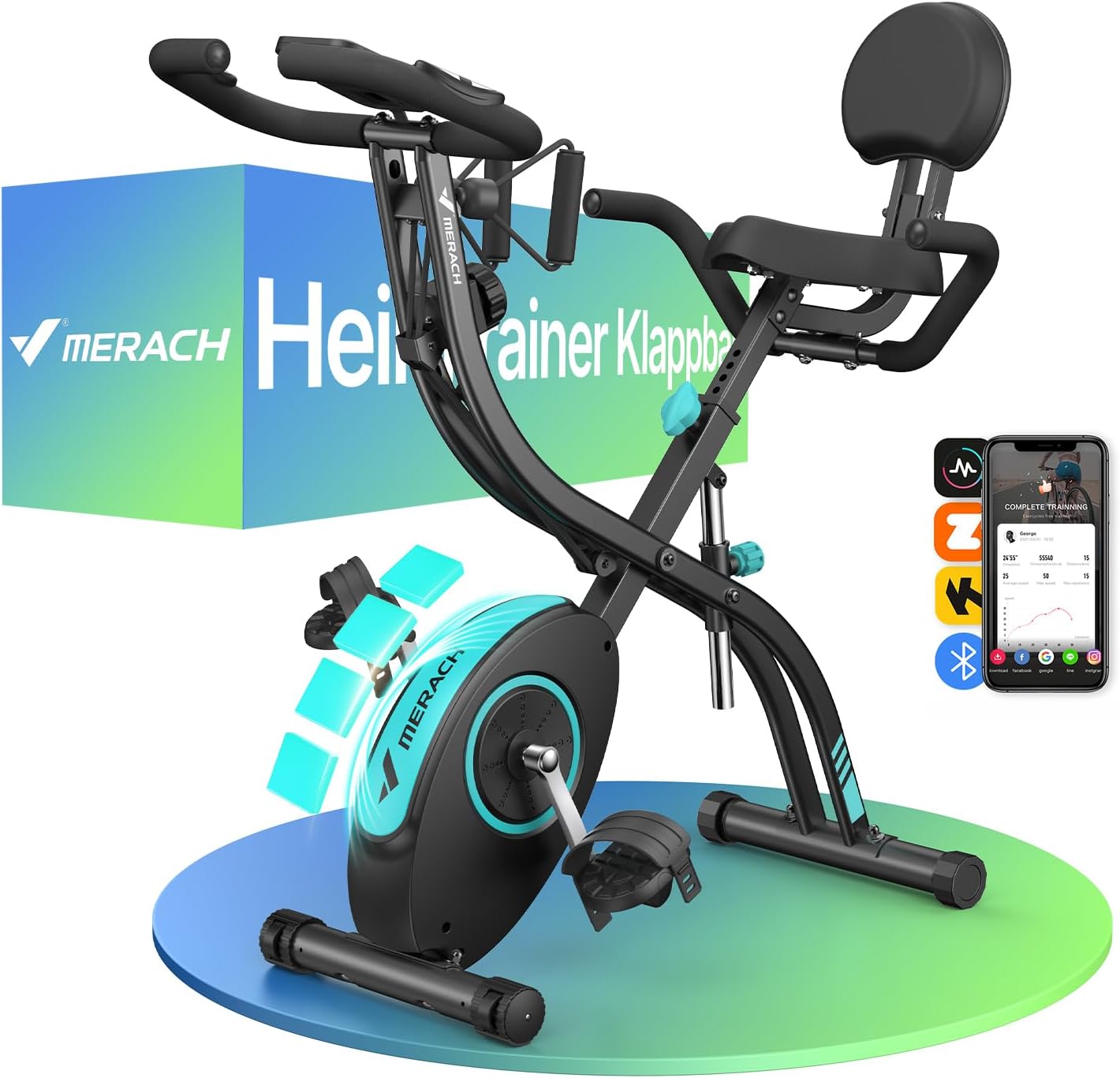
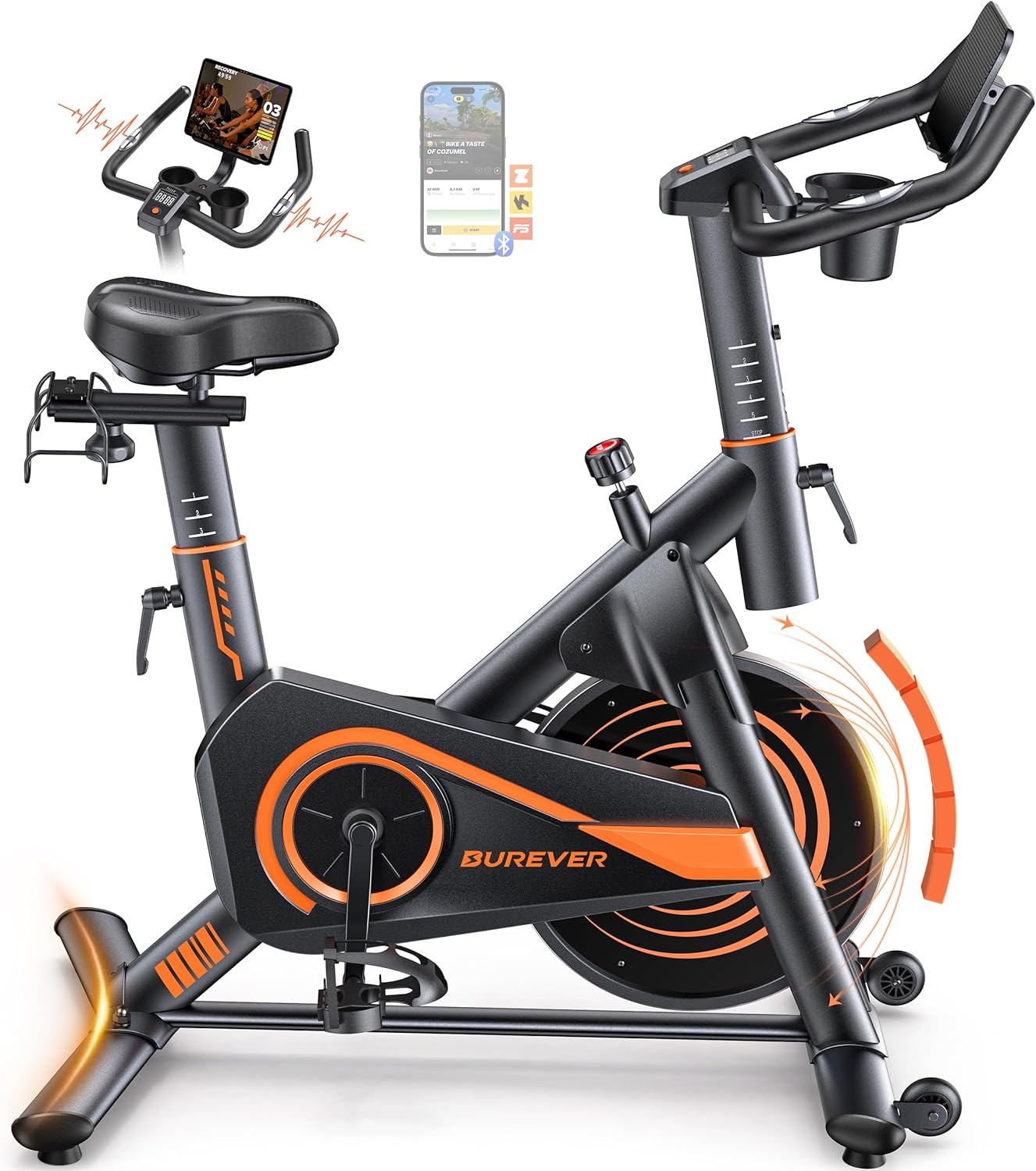
Exercise bikes have become one of the most popular home fitness machines — and for good reason. They deliver an effective low-impact cardio workout that burns calories, strengthens your legs and improves cardiovascular health without stressing your knees or joints.
What to look for in a home exercise bike
Resistance system — magnetic resistance is the gold standard. It is quieter, smoother and more durable than friction-based systems. Look for at least 8 resistance levels for a useful range of intensity.
Flywheel weight — heavier flywheels deliver a smoother, more consistent pedalling motion. For casual use, 8-10kg is sufficient. For serious training, look for 12-15kg or more.
App connectivity — many modern bikes connect via Bluetooth to training apps like Kinomap or their own companion apps. This adds structured training programs and progress tracking, which significantly improves motivation and results.
Foldability — if space is a concern, foldable bikes are a game changer. Some models fold down to less than half their footprint, making them easy to store under a bed or in a corner.
Max load capacity — always choose a bike rated at least 20kg above your body weight. This ensures structural integrity and prolongs the life of the frame.
Adjustability — look for bikes with adjustable seat height, handlebar height and fore-aft seat position. Poor fit leads to discomfort and lower training consistency.
Who is a home exercise bike for
Home exercise bikes are ideal for people recovering from injury who need low-impact cardio, office workers looking to add movement to their day, anyone training for weight loss or cardiovascular health, and cyclists who want to train indoors during bad weather.
Are they effective for weight loss
Yes — cycling at moderate intensity burns between 400 and 600 calories per hour. Consistency is the key factor. A bike you can use comfortably for 20-30 minutes daily will always outperform a more advanced machine that sits unused.
⭐ Our Top Pick
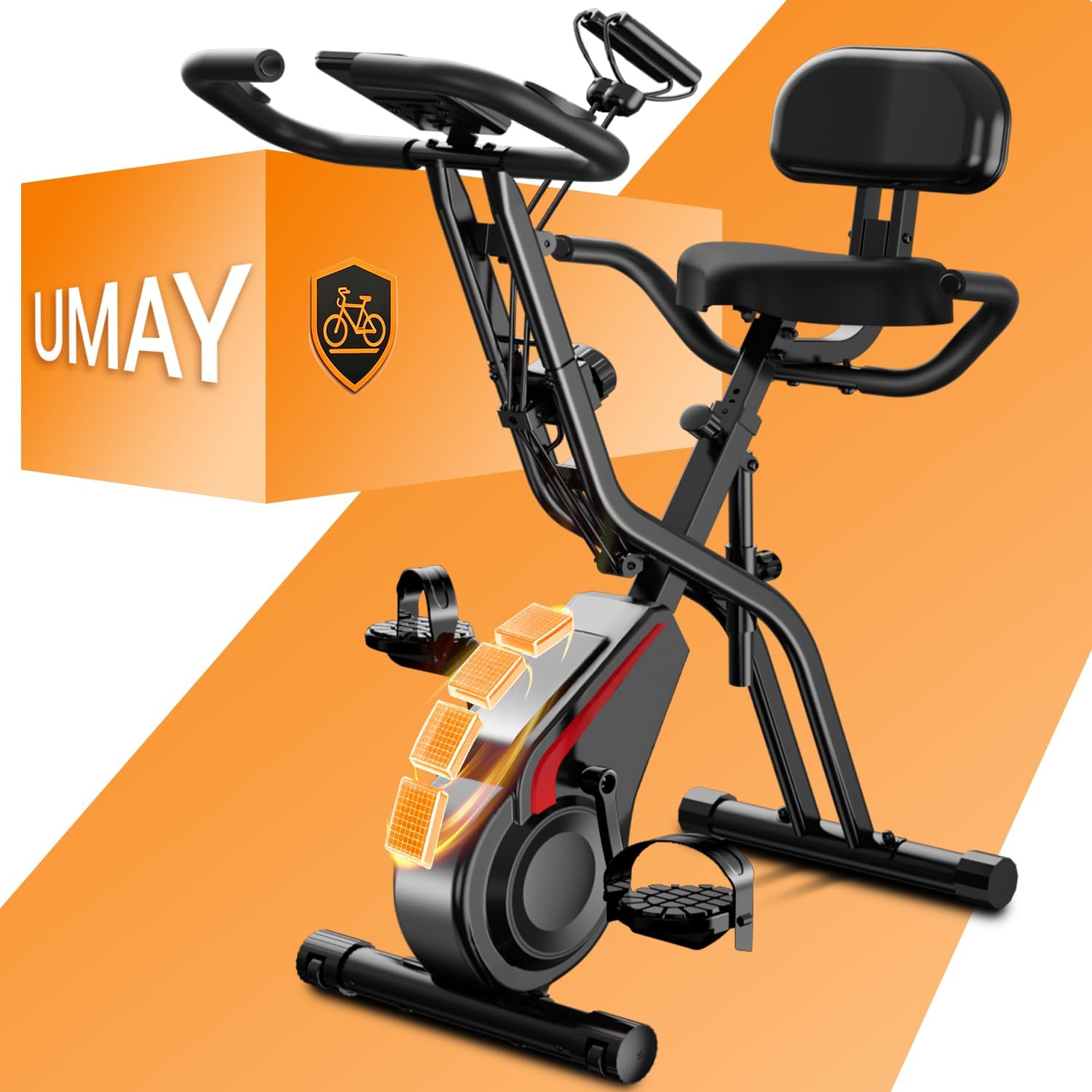
ROBORE CBX20 5-in-1 Foldable Exercise Bike
The ROBORE CBX20 is the most versatile exercise bike in this roundup. Its 5-in-1 design combines a standard upright bike with resistance bands, a push...
5-in-1 design — full body workout in one machine
8-level quiet magnetic resistance
Built-in pulse sensor and LCD monitor
~$421.73
Check price on Geekbuying
